
Would you like to switch to the accessible version of this site?

Go to accessible site Close modal window

Don't need the accessible version of this site?

Hide the accessibility button Close modal window
Accessibility View Close toolbar
Animal Clinic of Pierce City, LLC

3104 US Highway 60

Pierce City, MO 65723 US

417-476-2400

Open mobile navigation
  • Home
  • New Patient Center
    • New Pet Intake Form
    • Online Forms
    • What to Expect
    • Veterinary Resources
    • Payment Options
  • About Us
    • Services
  • Cattle
  • Contact Us
  • Veterinary Topics
    • Pet Health
      • Chronic Conditions
      • Digestive and Oral Health
      • Diseases and Viruses
      • Pests and Parasites
      • Orthopedics
    • Today's Veterinarian
    • Choosing Your Pet
      • Finding Your Pet
      • Cats
      • Dogs
      • Exotics
        • Amphibians
        • Birds
        • Reptiles
          • Lizards
          • Turtles
      • Small Mammals
        • Ferrets
        • Rabbits
        • Domesticated Animals
          • Prairie Dogs
        • Pocket Pets
          • Chinchillas
          • Guinea Pigs
          • Hamsters
          • Hedgehogs
          • Rats
      • Livestock
        • Cows
        • Donkeys, Horses & Mules
        • Goats
        • Pigs
        • Poultry
        • Sheep
    • Living With Your Pet
      • Bringing Your Pet Home
      • Children and Pets
      • Providing Care
      • Travel
      • Saying Goodbye
    • Newsletter Library
      • Cats
      • Tips for Pet Owners
      • Behavior & Training
      • Fleas & Parasites
      • Keeping Pets Healthy
      • Recognizing Illness
      • Nutrition & Food
      • Pet Dangers
      • Seasonal Topics
      • Visiting the Vet
      • Equine
      • Newsletter Archive
        • Fun with Pets
        • Unbelievable Pets
    • Video Newsroom
      • Health Topics
      • Technology and Science
      • Other Interests
    • Newsletter Library
    • Client Survey
    • Pets4Kids
  • Home >
  • Articles >
  • Newsletter Library >
  • Keeping Pets Healthy >
  • Caring for Your Older Pet

Caring for Your Older Pet

  • Created in Newsletter Library, Keeping Pets Healthy
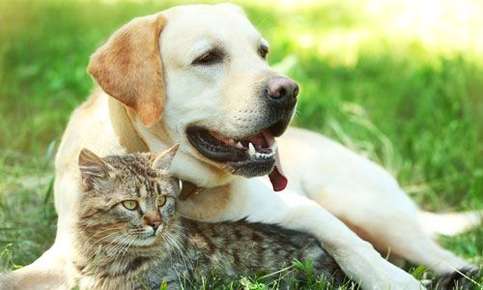
image of a dog and cat.

Many of the same problems that affect people as they age, such as arthritis and diabetes, can also affect your pet. Making a few changes to the way you care for your furry friend will help you ensure that your pet stays healthy and happy as the years go by.

Look for Common Signs of Illness

Changes in your pet's behavior can be a sign that something is wrong. Sick animals can become more or less affectionate than before. Some may refuse to leave your side, while others will spend more time alone. Cats, in particular, tend to find out-of-the-way hiding places when they don't feel well.

If you notice any of these symptoms, it's a good idea to make an appointment with your pet's veterinarian:

  • Changes in Eating Habits. Has your pet lost interest in eating or started drinking more than usual? A lack of interest in food can be caused due to dental issues, kidney or liver disease or a change in food, while increased thirst can be a sign of diabetes.
  • Elimination Woes. Frequent constipation or diarrhea or difficulty urinating can be signs of serious illness and should not be ignored. Housetraining setbacks can also occur as your pet ages. Sometimes, making a few modifications, such as adding litter boxes to every floor of your house for your arthritic cat or adding a ramp to your home for a dog with hip dysplasia can solve the problem.
  • Bumps, Lumps and Other Issues. Bumps and lumps can be caused by harmless cysts or may be a sign of cancer. The only way to determine the cause is with a visit to your veterinarian. Other issues that warrant a trip to the vet include frequent coughing, trouble breathing, vomiting or changes in your pet's coat.

Nutrition for Senior Pets

Good nutrition is essential to keeping your older pet healthy. Keep these tips in mind when selecting pet food.

  • Buy Senior Pet Food. Help your pet maintain a healthy weight by feeding food specially formulated to meet the nutritional needs of older pets. Excess weight stresses the joints. If your pet already has arthritis, gaining weight will make symptoms worse.
  • Avoid Overfeeding Your Pet. Older pets generally need less calories because they are less active. Adjust the amount of food you give your pet to avoid weight gain. Pay attention to the calorie count of treats, too. Buy low-calorie treats and limit the amount of treats you offer your pet.
  • Get Rid of Free Radicals. Free radicals, unstable molecules that can contribute to aging and hamper immune system functioning, can be neutralized with foods that are high in vitamin E and beta-carotene.
  • Choose High-Protein Foods. Although your dog may need fewer calories to maintain an ideal body weight, he or she still needs a diet high in protein. Protein is essential for maintaining muscle mass. Some cats have trouble digesting protein as they age. Before you buy a high-protein food for your cat, check with your veterinarian.

Make Your Pet Comfortable

Older pets will appreciate anything you can do to increase their comfort, starting with a soft place to rest. Look for cat and dog beds made of therapeutic foam that support your furry friend's joints. Heated beds will help your pet keep warm during the winter months.

Staying warm is a particular concern for older pets. Pets that were perfectly comfortable on chilly days in their younger years may have trouble staying warm when temperatures drop. A pet jacket or sweater will help keep your senior pet warm, although dogs may be more likely to tolerate wearing a sweater than cats.

Daily runs with your dog may have to end if arthritis or a general slowing down due to age is a problem. Although runs may no longer be possible, it's still important to make sure your dog still gets exercise every day. Playing games with your dog or cat not only improves physical fitness, but also helps keep your pet mentally sharp.

Arthritis and other joint problems can make jumping more difficult. If your pet usually sleeps with you but has trouble jumping on the bed, buy pet stairs or a ramp to make getting into bed easier.

Regular veterinary visits are very important as your pet ages. If it's been six months or more since we have seen your furry friend, give us a call to schedule an appointment.

Sources:

PetMD: How to Care for Senior Pets
http://www.petmd.com/dog/centers/nutrition/slideshows/how-to-care-for-senior-pets

AVMA: Senior Pet Care (FAQ)
https://www.avma.org/public/PetCare/Pages/Caring-for-an-Older-Pet-FAQs.aspx

Petfinder: Caring for Your Senior Pet
https://www.petfinder.com/dogs/dog-care/senior-dog-care/

ASPCA: Dog Nutrition Tips
http://www.aspca.org/pet-care/dog-care/dog-nutrition-tips

Veterinary Clinics of North America: Small Animal Practice: Nutrition for Aging Cats and Dogs and the Importance of Body Condition, May 2005

https://www.ncbi.nlm.nih.gov/pubmed/15833567

  • Pet Health
    • Chronic Conditions
    • Digestive and Oral Health
    • Diseases and Viruses
    • Pests and Parasites
    • Orthopedics
  • Today's Veterinarian
  • Choosing Your Pet
    • Finding Your Pet
    • Cats
    • Dogs
    • Exotics
      • Amphibians
      • Birds
      • Reptiles
        • Lizards
        • Turtles
    • Small Mammals
      • Ferrets
      • Rabbits
      • Domesticated Animals
        • Prairie Dogs
      • Pocket Pets
        • Chinchillas
        • Guinea Pigs
        • Hamsters
        • Hedgehogs
        • Rats
    • Livestock
      • Cows
      • Donkeys, Horses & Mules
      • Goats
      • Pigs
      • Poultry
      • Sheep
  • Living With Your Pet
    • Bringing Your Pet Home
    • Children and Pets
    • Providing Care
    • Travel
    • Saying Goodbye
  • Newsletter Library
    • Cats
    • Tips for Pet Owners
    • Behavior & Training
    • Fleas & Parasites
    • Keeping Pets Healthy
    • Recognizing Illness
    • Nutrition & Food
    • Pet Dangers
    • Seasonal Topics
    • Visiting the Vet
    • Equine
    • Newsletter Archive
      • Fun with Pets
      • Unbelievable Pets
  • Video Newsroom
    • Health Topics
    • Technology and Science
    • Other Interests
  • Newsletter Library
  • Client Survey
  • Pets4Kids

Your First Visit is FREE

Sign up now

Routine Veterinary Sevices

Now Open

  • Services

    We strive to provide complete care for our patients. Learn more about all the services we provide.

    Learn More
  • Make An Appointment

    We will do our best to accommodate your busy schedule. Schedule an appointment today!

    Schedule Now
  • Online Forms

    Our patient forms are available online so they can be completed in the convenience of your own home or office.

    View Forms

Office Hours

Our Regular Schedule

Monday:

8:00 am

5:00 pm

Tuesday:

8:00 am

5:00 pm

Wednesday:

8:00 am

5:00 pm

Thursday:

8:00 am

5:00 pm

Friday:

8:00 am

5:00 pm

Saturday:

Closed*

Closed*

*Saturdays Temporarily Closed due to Covid-19

Sunday:

Closed

Closed

Location

Find us on the map

Testimonial

Read What Our Clients Say

  • "Testimonial Coming Soon..."

Featured Articles

Read about interesting topics

  • March Newsletter: How to Keep Your Cat Safe When Outdoors

    Wondering how your cat can safely spend time outdoors? ...

    Read More
  • March Newsletter: How to Choose Safe Blankets for Pets

    Do you know how to pick a safe blanket for your pet? ...

    Read More
  • February Newsletter: How to Reduce Dental Anxiety in Pets

    Does your pet hate toothbrushing? These tips could reduce dental anxiety. ...

    Read More
  • February Newsletter: How to Safely Change Your Cat’s Food

    Buying a new food for your cat? Find out how to switch foods safely. ...

    Read More
  • January Newsletter: Signs Your Pet Needs a Wellness Exam

    Does your pet need a wellness exam? ...

    Read More
  • January Newsletter: How Your Veterinarian Can Help If Your Pet Ingests Something Toxic

    Has your pet eaten something it shouldn't have? Find out how your vet can help. ...

    Read More
  • December Newsletter: Signs Your Pet Needs a Professional Cleaning

    Do you know when your pet needs a professional cleaning? ...

    Read More
  • December Newsletter: Simple Ways to Keep Your Home Flea-Free for Your Pet’s Well-being

    Never want to see another flea again? Try these tips for a flea-free home. ...

    Read More
  • November Newsletter: The Importance of Bloodwork for Your Pet’s Health

    Wondering if your pet really needs bloodwork? Find out the benefits of blood tests for your furry friend. ...

    Read More
  • November Newsletter: Turkey Day Tips for Pet Owners

    Don't forget about your pet when making Turkey Day preparations. ...

    Read More

Newsletter Signup

Sign up for more articles

Connect With Us

  • Copyright © 2026 MH Sub I, LLC dba iMatrix.
  • Admin Log In
  • Site Map